


How Fishing Rod Technology Has Changed in the Last 30 Years
If you grew up fishing in the 80s or 90s, you probably remember what most fishing rods looked like back then.
They were heavier. The blanks were thicker. Sensitivity wasn’t really something people talked about. A rod was just a rod, and if it didn’t snap when you set the hook, it was considered pretty good.
Fast forward to today and things look completely different. Modern rods are lighter, stronger, more sensitive, and much more specialized (and more expensive) than anything anglers were using thirty years ago.
The way rods are built has changed dramatically, and those changes have quietly transformed how we fish.
The Early 1990s: Fiberglass Still Dominated
Thirty years ago, fiberglass rods were still extremely common.
Fiberglass had been the go-to rod material for decades because it was tough and forgiving. It could take abuse, it bent smoothly, and it was relatively inexpensive to produce.
But fiberglass had some clear downsides.
The biggest one was weight. Fiberglass rods were noticeably heavier than what we’re used to today. After a long day of casting, especially with techniques like crankbaits or spinnerbaits, you could really feel it.
They also lacked sensitivity. Because fiberglass is softer and thicker, it doesn’t transmit vibrations as clearly as modern materials.
That meant anglers relied more on visual cues, like watching their line move, rather than feeling subtle bites through the rod.
At the time, though, fiberglass rods were simply the norm.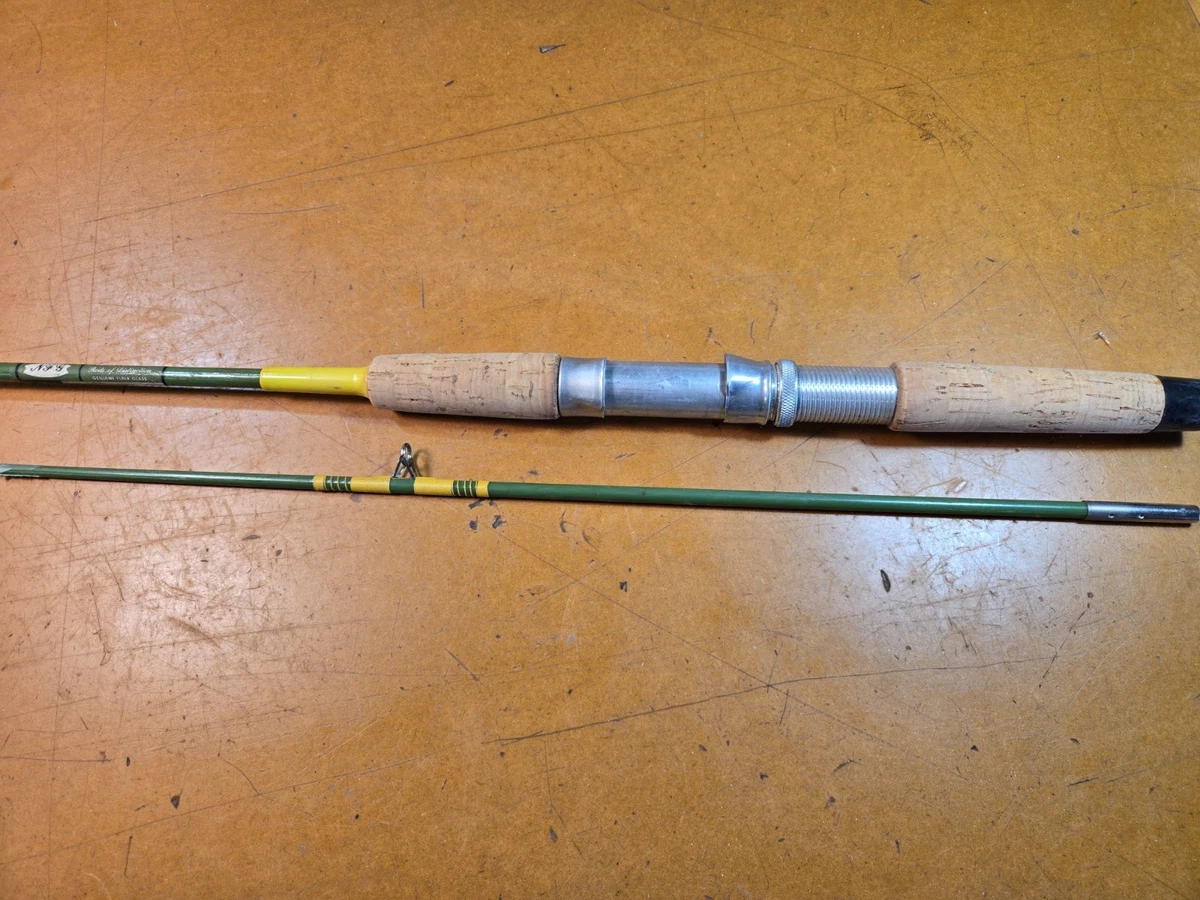
The Graphite Revolution
By the mid to late 1990s, graphite rods began to take over the market.
Graphite blanks were a huge step forward because they were lighter and more sensitive than fiberglass. Suddenly anglers could feel things they never noticed before.
Small taps from fish. Changes in bottom composition. The difference between dragging a jig over rock versus sand.
For techniques like worm fishing or jig fishing, graphite was a game changer.
Companies began experimenting with different graphite “modulus” ratings, which essentially refer to the stiffness of the graphite fibers. Higher modulus graphite allowed manufacturers to make rods that were both lighter and more responsive.
The downside was that early graphite rods could be brittle compared to fiberglass. But as materials improved, that problem became less of an issue.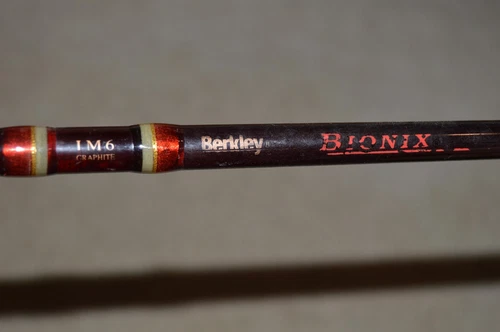
The Rise of Technique-Specific Rods
Another big shift over the last 30 years is specialization.
In the early days, most anglers owned just a few rods that they used for everything.
Today, rods are designed around specific techniques.
You’ll find rods built specifically for:
-
drop shots
-
crankbaits
-
flipping and pitching
-
jerkbaits
-
swimbaits
-
finesse fishing
-
frog fishing
Each of these rods has a different action, power, and length designed to maximize performance for that particular style of fishing.
This level of specialization didn’t really exist a few decades ago.
As tournament fishing grew and anglers started refining techniques, rod manufacturers responded by creating gear tailored to those exact situations.
Blending Materials: Composite Rods
While graphite dominates today’s rod market, fiberglass never completely disappeared.
Instead, manufacturers started combining the two.
Composite rods blend graphite and fiberglass together to create rods with unique characteristics. For example, crankbait rods often use fiberglass or composites because the softer action helps keep fish hooked during the fight.
Graphite provides sensitivity and weight reduction, while fiberglass adds durability and a slower, more forgiving bend.
This blending of materials allows rod designers to fine-tune how a rod behaves.
Guide Technology Has Improved Too
When anglers talk about rod technology, they usually focus on the blank itself.
But rod guides have also improved significantly over the past 30 years.
Older rods often used heavier guides that created more friction as line moved through them. Modern guides use lightweight frames and smoother inserts that reduce resistance and improve casting distance.
Guide layouts have also become more refined. Manufacturers now carefully place guides along the rod to optimize line flow and reduce stress on the blank.
Small changes like this can make a noticeable difference in performance.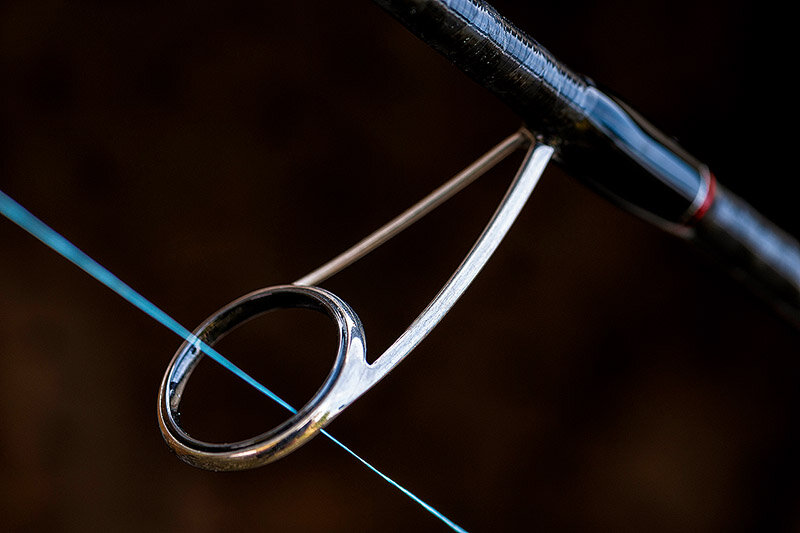
Rod Handles and Ergonomics
Another area where rods have improved is comfort.
Thirty years ago, rod handles were fairly simple. Cork grips were common, and while they worked well, they weren’t designed with much attention to ergonomics.
Today, manufacturers experiment with different grip shapes, materials, and reel seat designs to make rods more comfortable to fish with all day.
Some rods expose parts of the blank through the handle to improve sensitivity. Others use EVA foam, carbon fiber handles, or hybrid materials to reduce weight.
These small improvements add up over the course of a long day on the water.
Modern Rods Are Lighter Than Ever
If there’s one thing anglers notice immediately when they pick up a modern rod, it’s the weight.
Today’s rods are dramatically lighter than what anglers were using thirty years ago.
That reduction in weight helps reduce fatigue during long fishing days and makes rods feel more responsive.
Combined with lighter reels and braided fishing line, modern setups feel incredibly refined compared to older gear.
Technology Has Changed How We Fish
The improvements in rod technology haven’t just made gear nicer to use. They’ve actually changed the way people fish.
More sensitive rods allow anglers to detect subtle bites and fish slower, more precise presentations. Specialized rods help anglers maximize performance with specific techniques.
In many ways, the evolution of rods has gone hand in hand with the evolution of fishing techniques themselves.
As gear improves, anglers discover new ways to catch fish.
The Future of Fishing Rods
Even after decades of improvements, rod technology is still evolving.
Manufacturers continue experimenting with new materials, lighter components, and improved construction methods. The goal remains the same: make rods that are lighter, stronger, and more sensitive.
If the last 30 years are any indication, the rods we’ll be fishing with a decade from now will probably feel just as advanced compared to today’s gear as modern rods feel compared to those from the 90s.
And for anglers, that’s part of the fun.
Fishing may always be about patience, skill, and time on the water, but having better tools along the way never hurts.
Share:
Diesel Heaters vs Propane Heaters for Ice Fishing Houses
How to Dive Into Your First Fishing Tournament Without Freaking Out