


Diesel Heaters vs Propane Heaters for Ice Fishing Houses
If you spend any serious time ice fishing, a good heater isn’t optional. It’s the difference between a comfortable day on the lake and counting the minutes until you pack up and head home.
For decades, propane heaters were the standard inside portable ice houses and permanent fish houses. But in the last few years, diesel heaters have started showing up more and more in the ice fishing world. What used to be a niche setup borrowed from truck sleepers and camper vans is now becoming a legitimate alternative for anglers who spend long hours or overnight trips on the ice.
So which one is actually better for an ice house? The answer depends on how you fish, how long you stay out, and how much gear you’re willing to haul.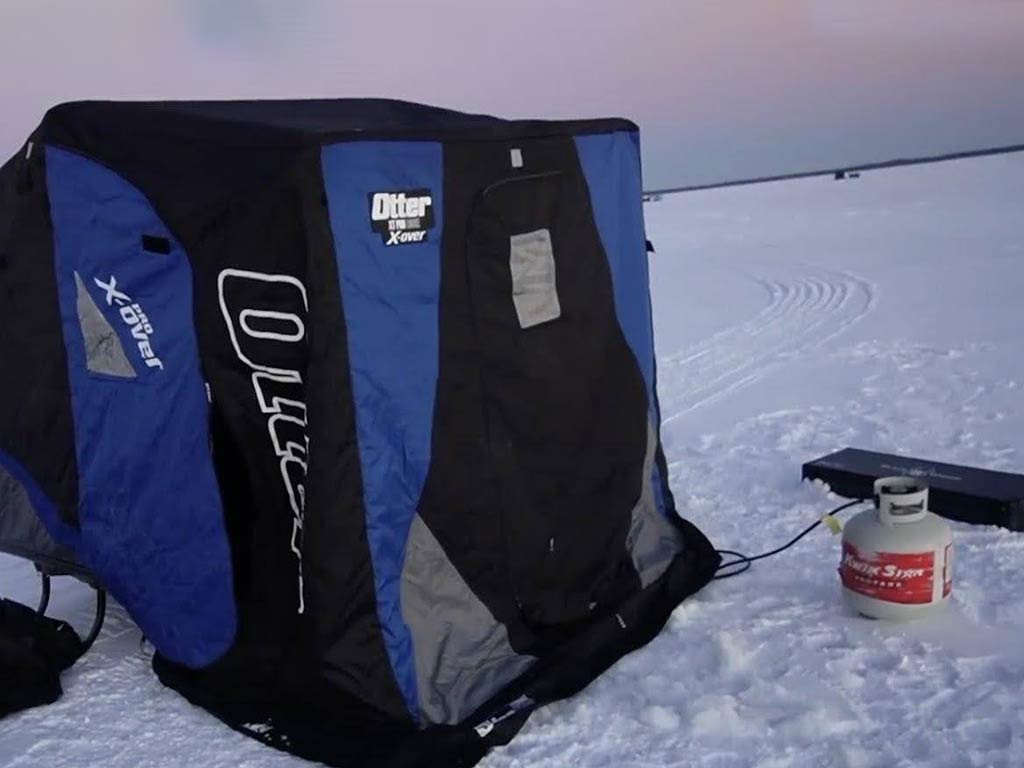
The Classic Ice Fishing Heater: Propane
For most anglers, propane heaters are where the story starts.
Walk into almost any ice fishing shelter on a frozen lake and you’ll likely see a propane heater sitting next to the hole. They’re simple, portable, and incredibly easy to use.
You screw in a one-pound bottle or hook up a larger tank, hit the ignition, and within seconds the heater is throwing off warmth. That simplicity is why propane heaters have been the go-to choice for decades.
They also make a lot of sense for quick trips. If you’re heading out for a few hours in a portable hub house, bringing along a couple of small propane cylinders is about as easy as it gets.
But propane heat does have some downsides.
One of the biggest complaints from anglers is moisture. Because propane combustion produces water vapor, heaters can create condensation inside shelters, especially when you’re drying wet boots and gloves. Over time, this moisture can collect on the walls or even drip from the ceiling of your shack. Ive had more than a few instances of rain inside the ice house from all the water that collect on the ceiling.
Another issue is fuel consumption. If you’re running a heater hard during a cold Minnesota night, those small propane bottles can disappear quickly. A larger 20-pound tank lasts longer, but it’s heavier and more cumbersome to haul across the ice.
Still, propane remains the easiest heating option available.
The New Player: Diesel Heaters
Diesel heaters are the new trend showing up in ice houses, especially for anglers who fish overnight or run permanent wheelhouses.
These heaters work a little differently than propane units. Instead of burning fuel directly in the room, diesel heaters burn fuel in a sealed chamber and vent the exhaust outside through a small pipe. The heated air is then blown into the shelter by a fan.
That design creates one major advantage.
Dry heat.
Unlike propane heaters, diesel heaters don’t dump moisture into the air. The combustion process happens outside the living space, which means the heat entering the shack is dry. That helps reduce condensation and keeps gear from staying damp. (Del City Blog)
For anglers who ice camp or spend multiple nights in a wheelhouse, this can make a huge difference. Less moisture means less frost buildup, drier sleeping bags, and overall more comfortable conditions.
Diesel heaters are also known for efficiency. Diesel fuel contains more energy per gallon than propane, meaning you often get more heat output for the same amount of fuel.
That’s why they’re common in truck sleeper cabs, RVs, and off-grid campers.
But diesel heaters aren’t perfect either.
The Tradeoffs
The biggest difference between propane and diesel heaters is convenience.
Propane heaters are simple. Diesel heaters are a system.
A typical diesel setup requires:
-
A fuel tank
-
A heater unit
-
A battery for power
-
An exhaust pipe vented outside the shack
Because diesel heaters rely on a fan and fuel pump, they need electricity to run. That usually means bringing along a deep-cycle battery or portable power station. (Del City Blog)
That extra gear adds weight and complexity compared to a simple propane heater.
There’s also the matter of noise. Diesel heaters use a small fuel pump and fan, which produces a noticeable hum. It’s not loud, but in a quiet ice house you’ll definitely hear it.
Propane heaters, on the other hand, are almost silent.
I recently decided to try the diesel heater craze out, and built a self contained setup in a packout box. Cutting holes, making some brackets, and trying to squeeze it all in there was a tedious but fun project. Its nothing professional by any means, but for a v1 iteration, itll work and I can improve on it over the years. I can personally attest that DRY HEAT IS KING.

Where Each Heater Shines
After spending time around ice houses and talking to anglers who run both systems, the general pattern is pretty clear.
Propane heaters dominate portable setups.
If you’re running a flip-over shack or a lightweight hub shelter and moving spots throughout the day, propane is hard to beat. The heater is compact, quick to set up, and you don’t need batteries or fuel lines.
For day trips, propane is usually the most practical option.
Diesel heaters shine in permanent houses and overnight trips.
If you’re fishing out of a wheelhouse or planning multi-day trips on the ice, diesel heaters start to make more sense. The dry heat is more comfortable, fuel efficiency is better for long runs, and you can maintain a steady temperature overnight without constantly swapping propane bottles.
Many anglers who ice camp swear by them.
Safety Still Matters
Regardless of which heater you run, ventilation and carbon monoxide safety should always be part of the setup.
Propane heaters should be used with proper airflow and safety sensors, while diesel heaters must have their exhaust properly routed outside the shelter. Both systems can be safe when used correctly, but neither should be treated casually in an enclosed space.
A carbon monoxide detector inside your fish house is always a good idea.
So Which Heater Is Better?
The honest answer is that both heaters have their place on the ice.
If you’re a weekend angler running a portable shelter and hopping holes all day, propane is still the king of convenience.
But if you’re the kind of angler who spends long nights on the lake, runs a permanent shack, or enjoys ice camping, diesel heaters are quickly becoming one of the best upgrades you can make.
They’re more complex, but they offer efficient, dry heat that can turn a brutally cold night on the ice into a surprisingly comfortable experience.
And when the temperature drops to well below zero and the wind starts howling across the lake, that comfort can make all the difference between calling it early and staying out for the bite.
Share:
Have We Gone Too Far? Technology, Fishing, and Whether We’ve Lost the Plot
How Fishing Rod Technology Has Changed in the Last 30 Years