


Have We Gone Too Far? Technology, Fishing, and Whether We’ve Lost the Plot
I remember when a “serious” setup meant a decent flasher and maybe a handheld GPS stuffed in a dry bag. You idled around, watched for arches, and if you found something interesting, you threw a line in and went to work. When you caught them, it felt earned.
Now we live in a different world.
We have boats that look like rolling command centers. Screens at the console. Screens on the bow. Real-time sonar showing fish moving under the boat. Trolling motors that will hold you on a waypoint like you dropped an invisible anchor.
It’s incredible. It’s efficient. And it makes you wonder - have we made this whole thing too easy?
Or are we just uncomfortable with change?
When Sonar Became Sight
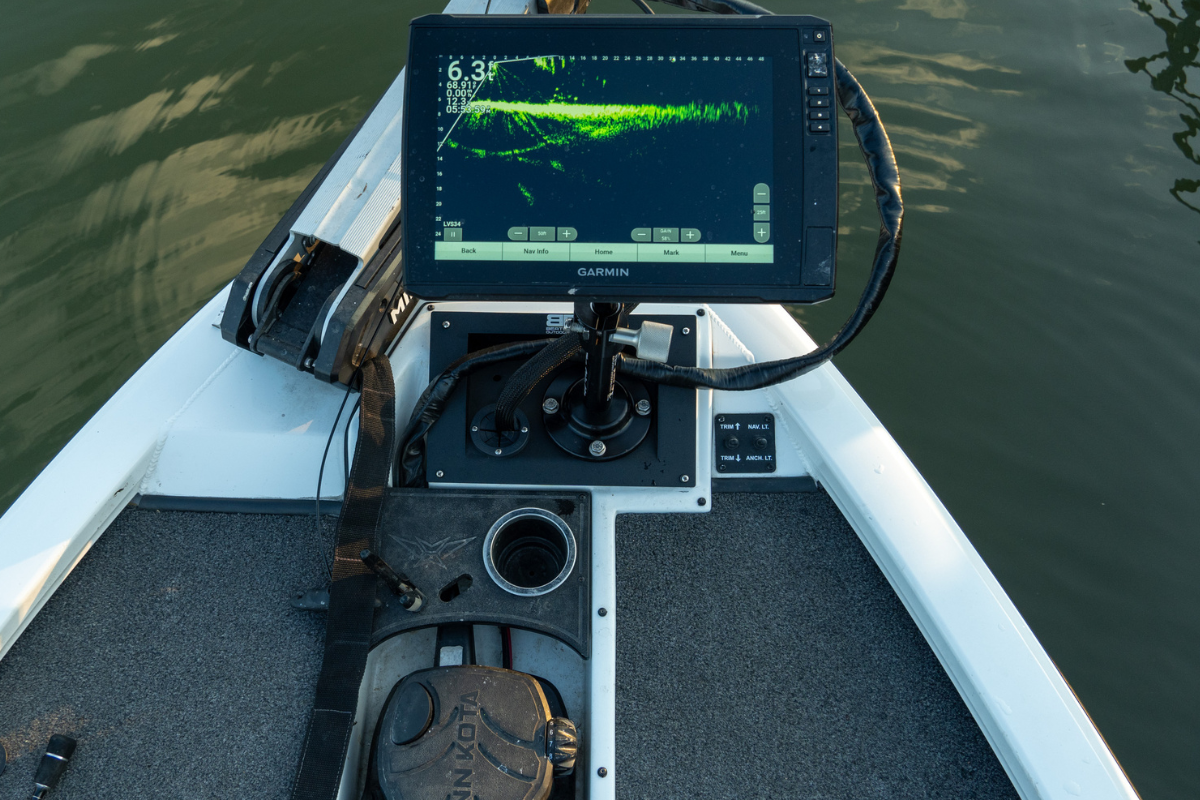
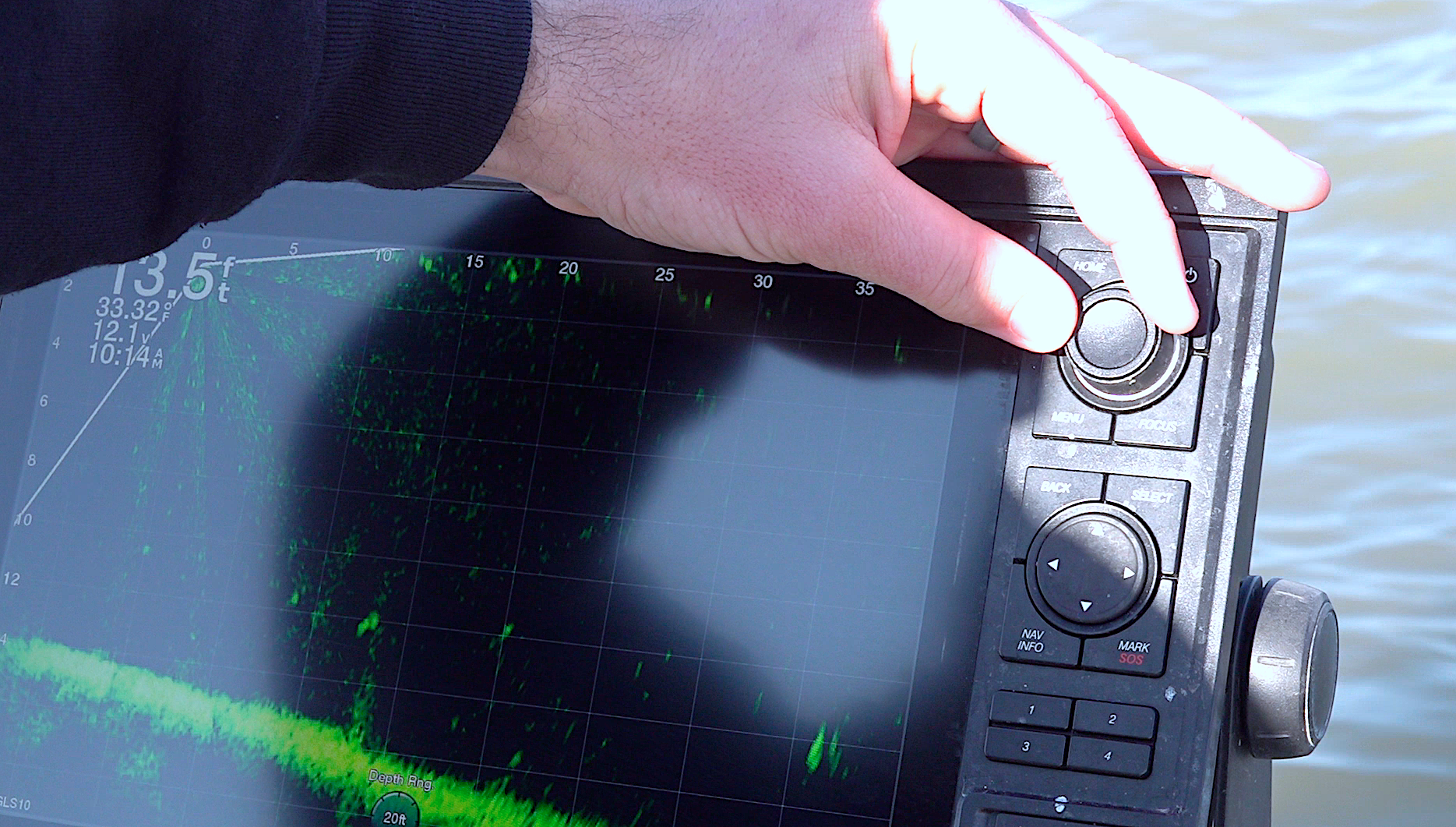
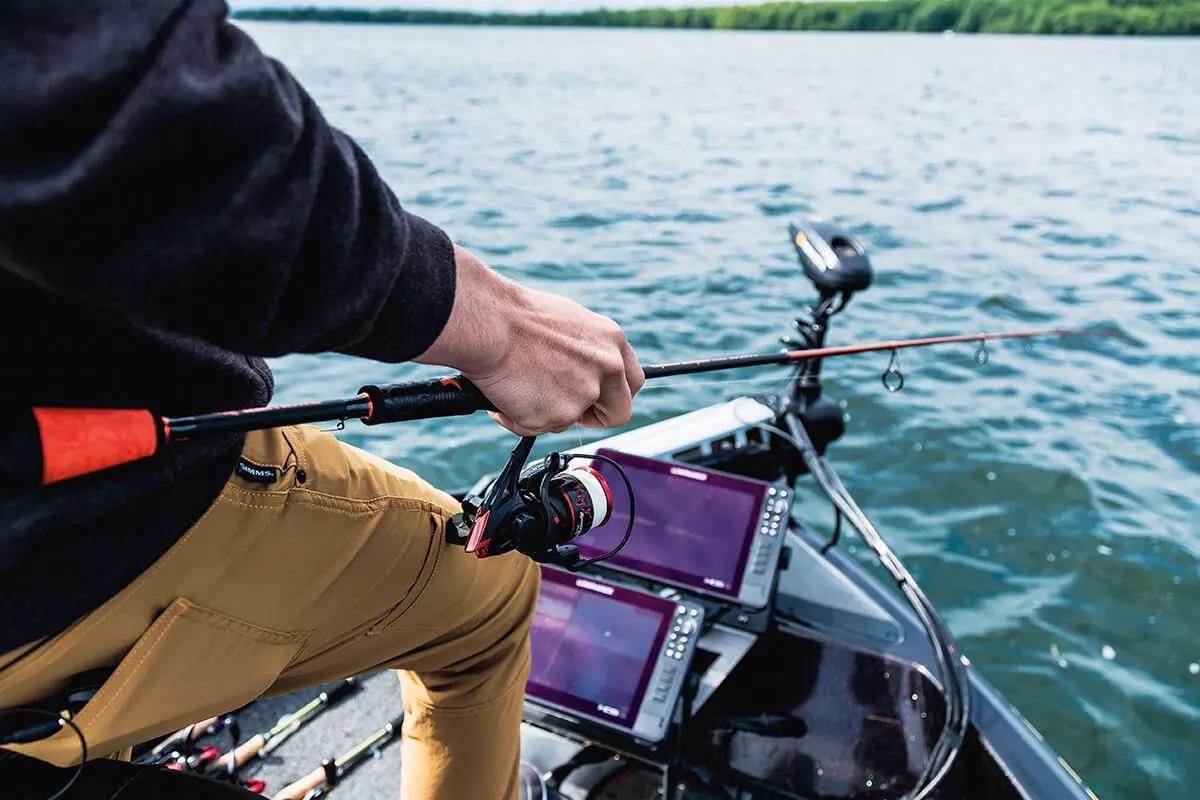
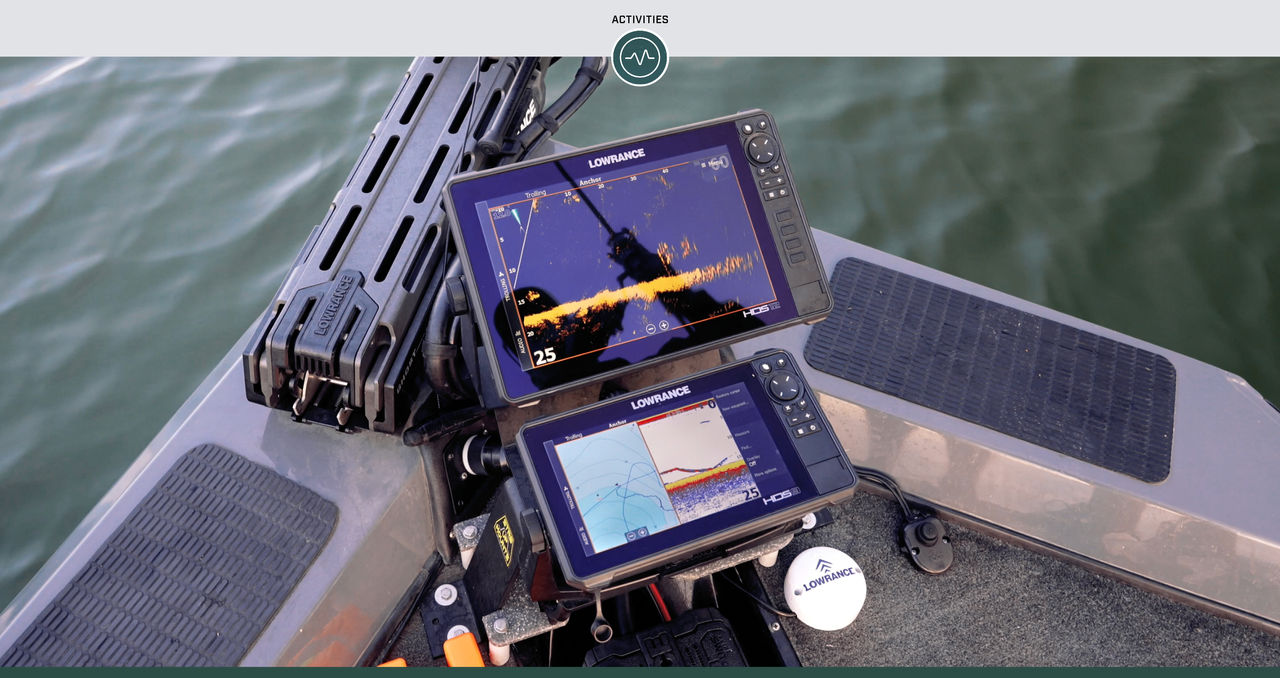
The biggest shift in recent years has been forward-facing sonar. This is the technology that lets you see fish in real time, sometimes dozens of feet in front of the boat. You can watch them swim. You can watch your bait move toward them. You can even see how they react.
That’s not just “finding fish.” That’s interacting with them before they ever bite.
For some anglers, this is the pinnacle of refinement. It takes skill to interpret what you’re seeing. It takes boat control, precise casting, and discipline. Just because you can see a fish doesn’t mean you can make it eat.
But there’s no denying that it changes the experience. Fishing used to be built on educated guesses. Now, in some scenarios, it feels closer to target acquisition. Instead of asking where they might be, you’re asking how to trigger the ones you’re staring at on a screen.
That’s a very different feeling.
Spot-Lock and the End of Drifting
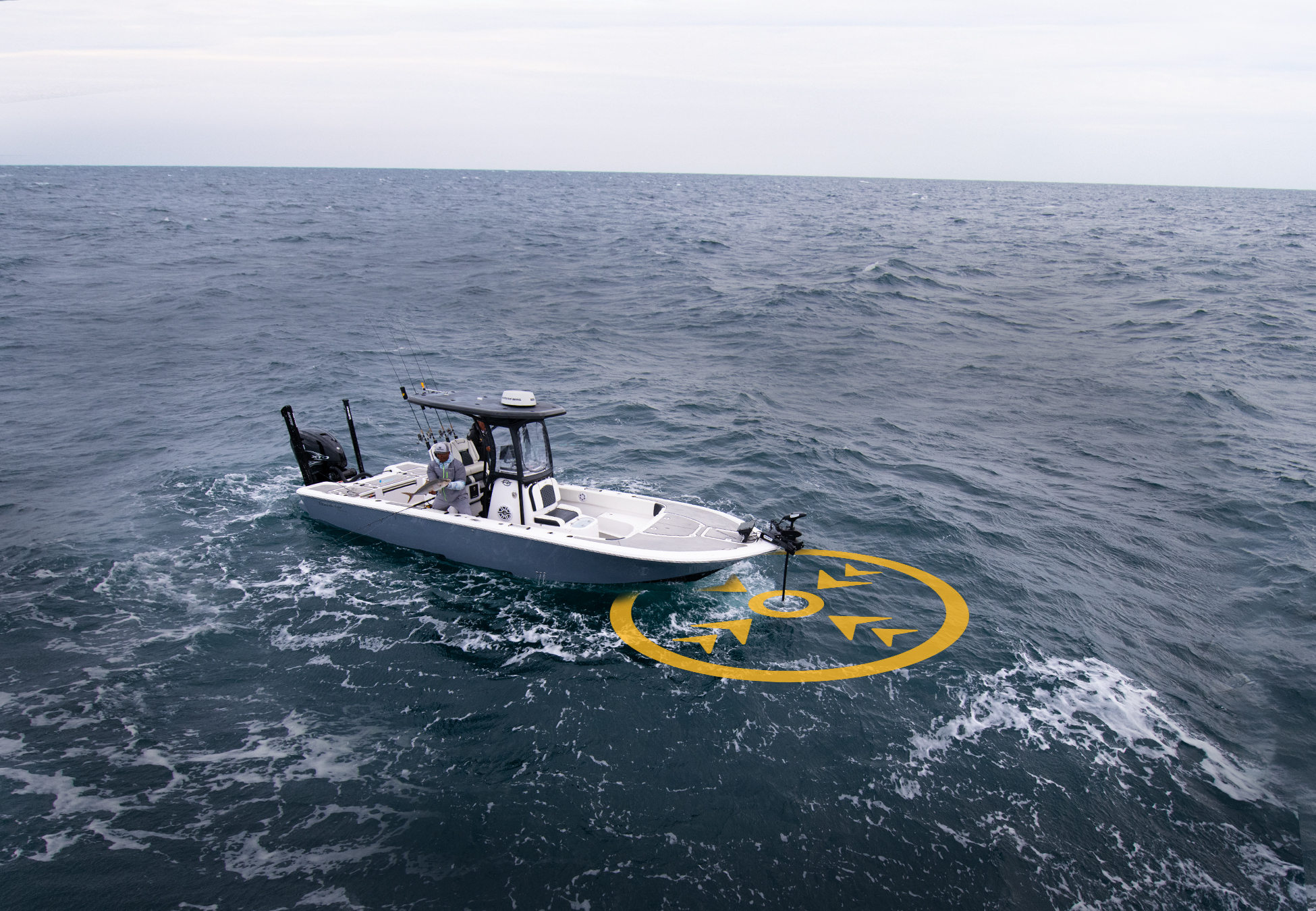
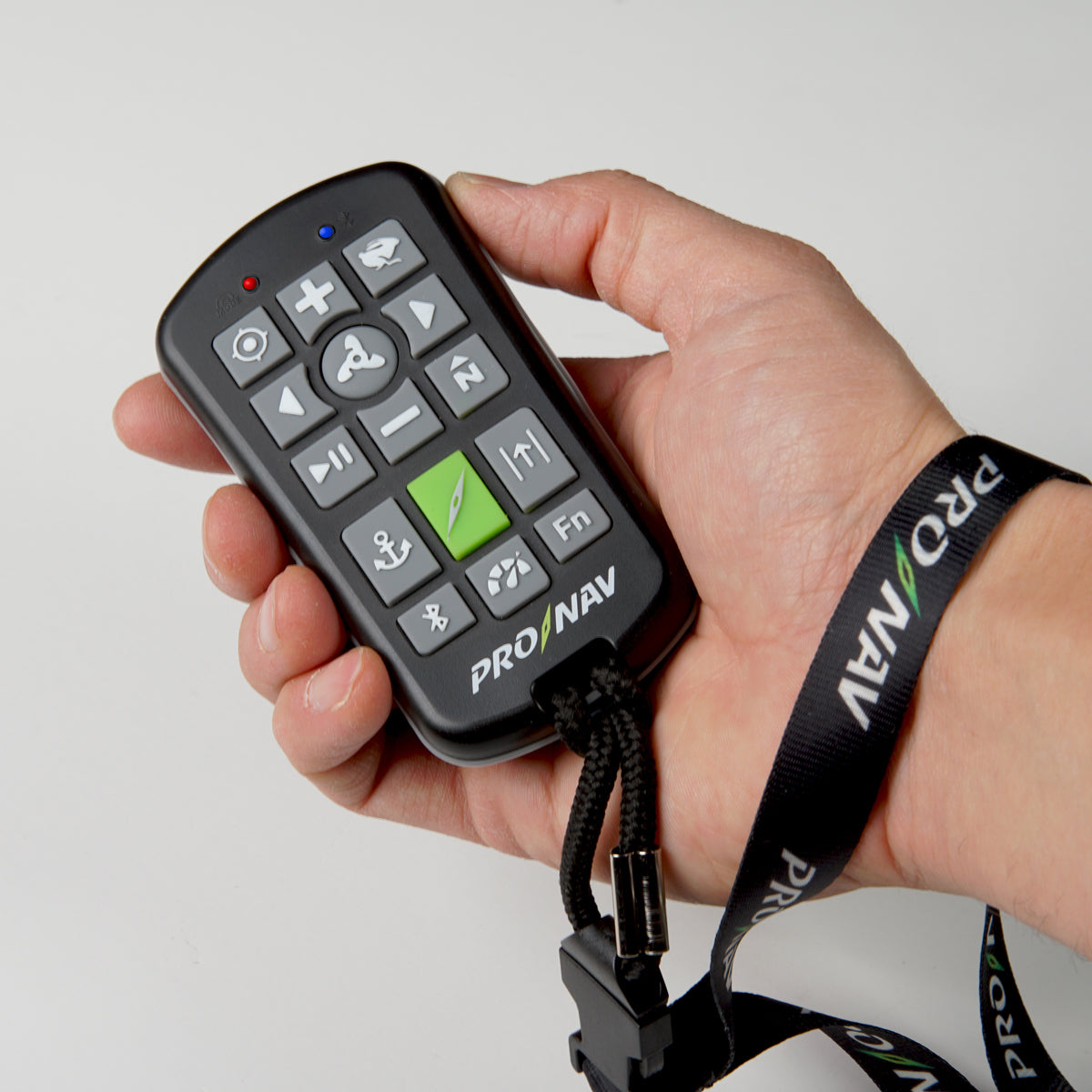
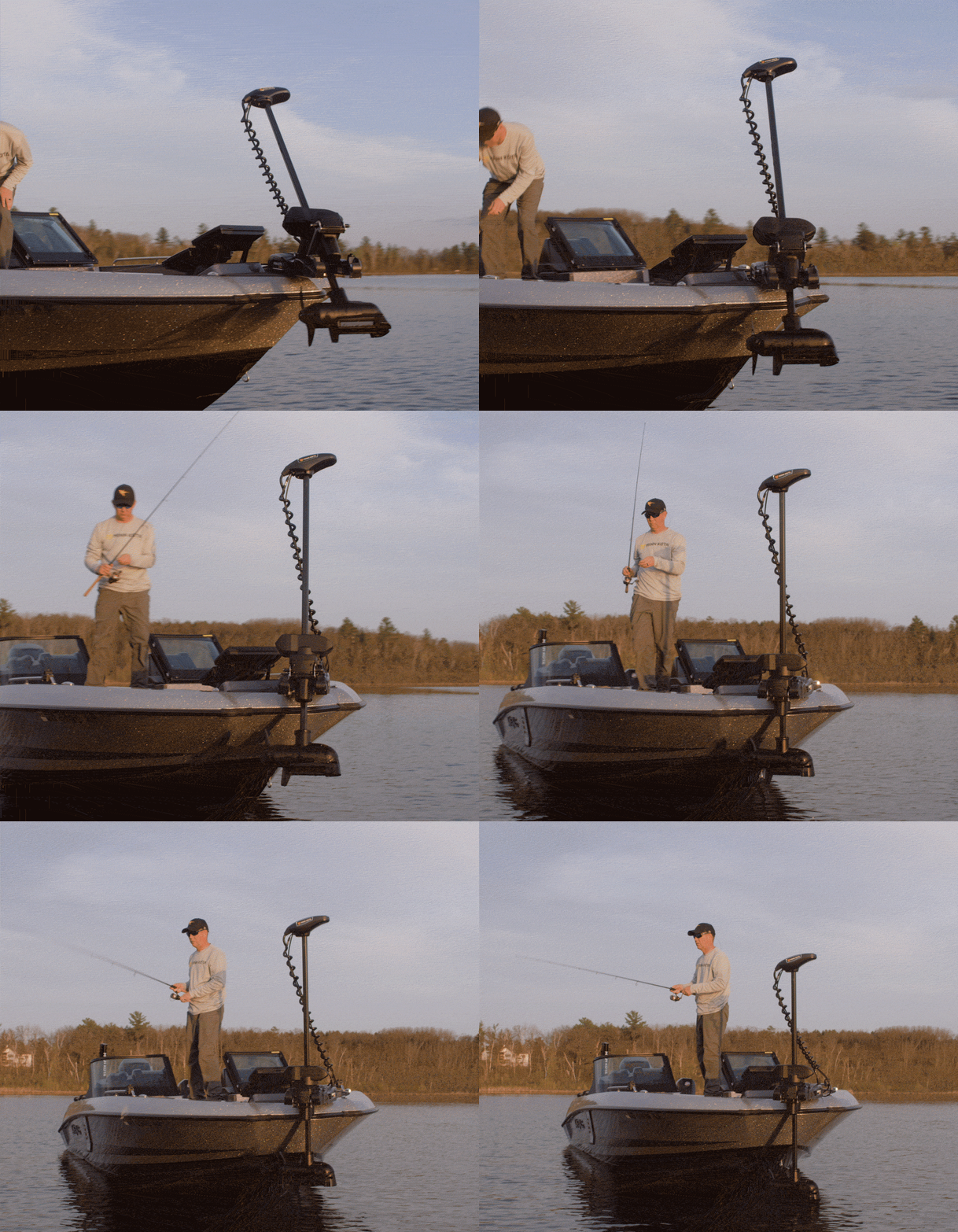
Then there’s the trolling motor. Modern GPS-enabled motors can hold your boat in place with incredible precision. Wind blowing 15 mph? Current ripping? Tap a button and the boat stays put.
If you’ve ever fought the wind with an old cable-steer motor, you know how big of a deal that is. Boat control used to be half the battle. Drifting past a key piece of cover could ruin a pass. Now you can hover over a waypoint and dissect it slowly.
Is that making fishing easier? Absolutely.
Is it making it better? That depends.
On one hand, it allows you to focus more on presentation. You can make repeated casts to a sweet spot without constantly correcting your position. On the other hand, some of the old-school rhythm of fishing - setting up a drift, working with the wind instead of fighting it - gets replaced by digital precision.
The struggle used to be part of the charm.
Side Imaging and the Death of Mystery

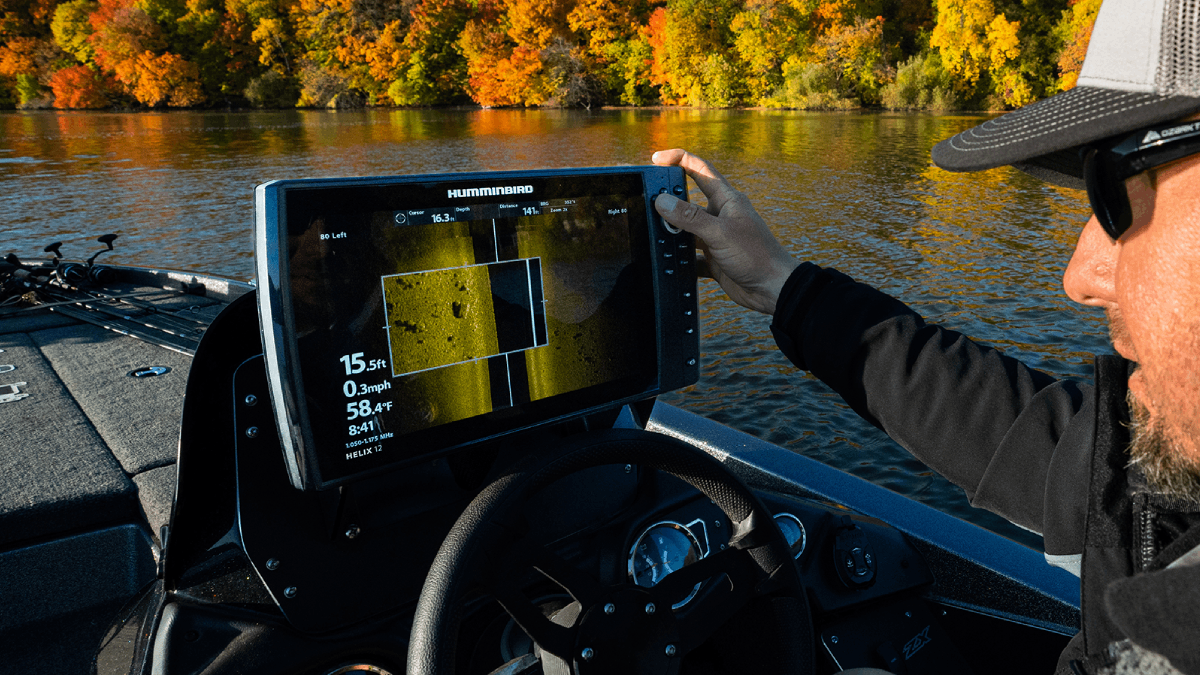

Side imaging and detailed mapping might be the most quietly transformative technologies of all. You can idle over a flat and instantly see rock piles, brush, depressions, even isolated stumps off to the side of the boat.
Fifteen or twenty years ago, finding that kind of offshore structure took time. Lots of it. You dragged jigs. You snagged lures. You built a milk run of spots through trial and error.
Now, a few passes with modern electronics can reveal an entire network of fish-holding cover.
There’s a part of me that loves that efficiency. Information is power. Why waste time fishing dead water if you can identify the best targets quickly?
But there’s also a part that misses the mystery. The feeling of stumbling onto something special and knowing you found it the hard way. When everything is mapped, graphed, and logged, fewer secrets remain.
Are We Fishing the Screen or the Water?
This might be the real heart of the issue.
I’ve had days where I realized I hadn’t looked up in an hour. I was scanning, adjusting settings, interpreting returns. I was “fishing,” but my attention was locked onto pixels instead of wind direction or shoreline cues.
It’s easy to start fishing the screen instead of the environment.
That doesn’t mean the skill is gone. It just means the skill has shifted. Instead of reading subtle changes in water color, you’re reading sonar returns. Instead of watching bird activity, you’re watching how a fish reacts on a display.
Some anglers thrive in that world. They treat electronics like a language and become fluent.
Others feel like something essential gets lost when the mystery fades.
Is It Actually Easier?
Here’s the uncomfortable truth: technology doesn’t automatically make you good.
You can spend thousands on electronics and still struggle. Seeing fish doesn’t mean you understand them. Spot-lock doesn’t mean you’re on the right structure. Mapping doesn’t replace seasonal knowledge.
In many ways, technology has just raised the ceiling. The best anglers use these tools to refine their understanding. They don’t rely on them blindly.
But it has lowered the floor too. A new angler can access information that used to take years to accumulate. That changes the dynamic of the sport.
So… Have We Lost the Plot?
Maybe we’ve only lost the plot if we let efficiency replace enjoyment.
If fishing becomes nothing more than a numbers game driven by screens, then yeah, something might feel hollow. The surprise bite, the accidental discovery, the satisfaction of figuring out a pattern with nothing but instinct and experience - those moments hit differently.
But technology itself isn’t the villain. It’s a tool. A powerful one.
You can run three screens and chase suspended fish all day.
You can turn everything off and fish the bank by feel.
You can mix the two.
The beauty is that the choice is still yours.
Fishing has always evolved. Better rods, better reels, better boats. Each generation probably thought the next one had it easier.
The real question isn’t whether we’ve gone too far. It’s whether we remember why we started.
If the answer is peace, challenge, connection, and the thrill of the bite, then the plot is still there.
We just have to decide how much of it we want displayed in high definition.
Share:
Fishing Gear Organization Tips for Anglers on the Go
Diesel Heaters vs Propane Heaters for Ice Fishing Houses