

Fall Fishing on the Rainy River: Chasing Walleyes Before Winter
There is something different about fishing the Rainy River in the fall.
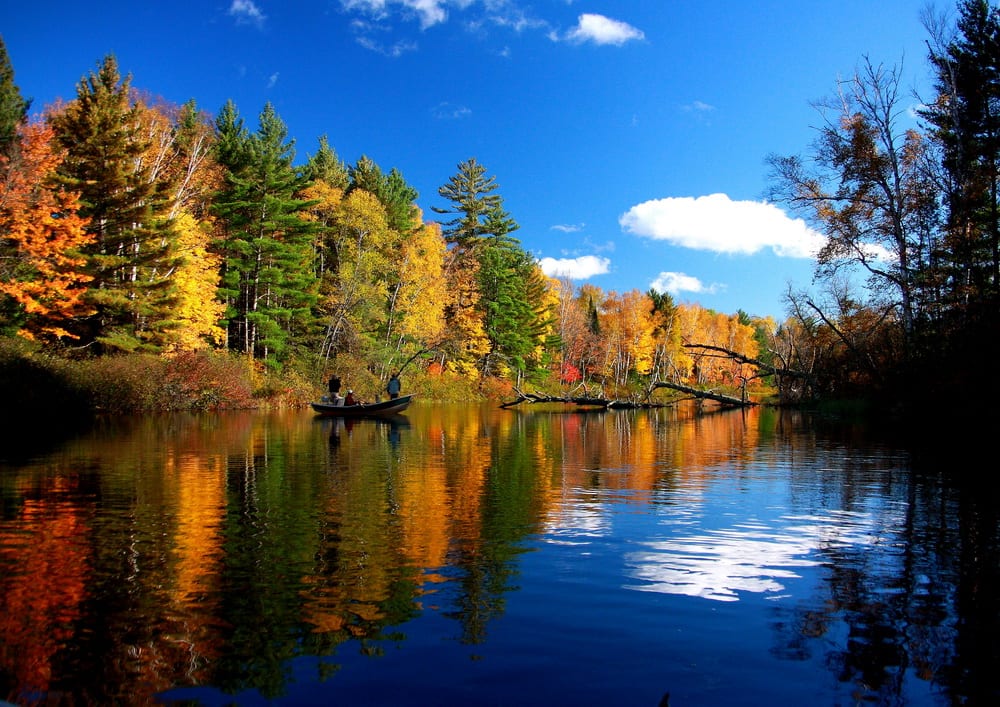
The crowds are thinner, the mornings are colder (we are already having some temps flirting with freezing, here), the leaves are changing, and eventually you start wondering why you didn't bring a heavier jacket. But for anyone who spends enough time around Lake of the Woods, fall is one of the best times of year to be on the river.
The Rainy River gets a lot of attention in the spring when thousands of anglers show up chasing spawning walleyes. That's the famous version of Rainy River fishing.
Fall is different.
It's quieter, colder, and often feels more like you're fishing with a handful of locals who know exactly why they're there.
The walleye fishing can be excellent, and the changing conditions give you a chance to fish everything from aggressive moving presentations to slow, precise vertical jigging. You may also run into sauger, northern pike, perch, and even some of the Rainy River's famous lake sturgeon.
If you're willing to put up with a little cold, fall can be one of the most rewarding times to fish the river.
Why the Fall Rainy River Is Worth Fishing
The Rainy River is roughly 90 miles long and forms the border between Minnesota and Ontario before eventually dumping into Lake of the Woods. Around Baudette and the southern end of Lake of the Woods, it becomes a major seasonal fishery.
In the fall, the river starts to change quickly.
Water temperatures drop, daylight gets shorter, baitfish patterns change, and predator fish begin shifting their behavior as winter approaches. Walleye don't necessarily disappear when the water gets cold. In many cases, they become easier to target because their seasonal movements start concentrating fish in predictable areas.
That's one of the things I like most about fall fishing here.
You don't necessarily need to spend the entire day searching every inch of the river. Find the right combination of current, depth, structure, and bait, and there can be a lot of fish packed into a relatively small area.
And when the weather gets really cold, the boat traffic tends to thin out considerably.
That's a pretty good trade for wearing a sweatshirt and a jacket.
Start With the Current
The biggest mistake I see with river fishing is treating the river like a lake.
Current matters.
A lot.
Walleye are constantly balancing feeding opportunities against the energy it takes to fight current. That means changes in current speed, depth, bottom composition, and structure can create very specific areas where fish want to sit.
You don't necessarily need some giant piece of structure.
Sometimes a subtle change in the bottom is enough.
A slight break from shallow to deeper water. A bend in the river. A seam where two different current speeds meet. A point that pushes water out into the channel. A deeper hole adjacent to a feeding flat.
Those little changes can be more important than simply finding the deepest water available.
Once you find fish, pay attention to exactly what you're sitting on. If you're catching them on one side of a break but not the other, that's information worth remembering.
The river is giving you a pattern.
Don't Be Afraid to Move
Fall fishing can be a little deceptive because the fish can be concentrated, but that doesn't mean they'll be concentrated exactly where you happen to launch the boat.
If you're not marking bait or fish, move. If you're marking fish but can't get them to bite, change your presentation before assuming they're not interested.
And if you're catching fish, don't immediately leave because the bite slows down. Sometimes a small adjustment is all it takes. Move 20 feet. Change your angle. Alter your jig weight. Slow down. Speed up. Change colors. Change bait.
The difference between catching fish and staring at a graph can be surprisingly small.
Jigging Is Hard to Beat
When I think about fall Rainy River walleye fishing, jigging is one of the first techniques that comes to mind.
The beauty of jigging a river is how much control you have over your presentation. You can keep a jig directly below the boat, feel the bottom, adjust to the current, and immediately know what your lure is doing.
That last part is important.
If you aren't feeling the bottom occasionally, you're probably not fishing where you think you're fishing. The goal isn't necessarily to pound the bottom on every lift. It's to maintain enough contact that you know where your jig is and can repeat the same presentation over and over.
Sometimes that's an aggressive snap followed by a controlled fall.
Other times the best presentation is barely moving the jig at all.
Fall fish can be aggressive, but cold-water fish can also reward a much more subtle presentation. Let the fish tell you what they want.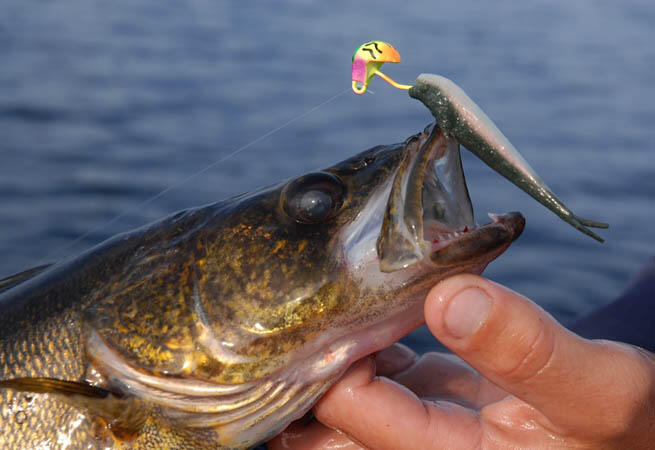
Live Bait Still Has Its Place
There's something satisfying about catching river walleyes on an artificial lure, but there are days when live bait is simply hard to beat.
A jig tipped with a minnow gives you a combination of weight, control, and scent that can be incredibly effective when fish are reluctant to commit.
It also gives you another variable to experiment with.
If you're marking fish but they're not eating your plastic, add live bait (but PAY ATTENTION to Canadian fishing regs!)
If you're getting short bites, change the size of the presentation.
If the fish are aggressive, you may be able to ditch the bait altogether and fish a more active presentation.
The important thing is not getting locked into one technique just because it worked yesterday.
Watch Your Electronics, But Don't Fish Your Screen
Modern electronics have completely changed river fishing.
Being able to see depth changes, current breaks, bait, and individual fish can make finding productive water dramatically easier.
But there's a temptation to stare at the screen so much that you forget you're actually fishing.
Use your electronics to find the pattern, then fish the pattern.
If you're marking fish in 20 feet of water on a particular type of break, look for similar breaks. If you're finding bait in a certain depth range, start paying attention to that depth elsewhere.
The goal isn't to find one pile of fish, it's to figure out why those fish are there.
Once you know that, you can start finding more of them.
Fall Is a Great Time for a Big Fish
Walleye get most of the attention, but one of the things that makes the Rainy River so interesting is the variety of fish you can encounter.
Northern pike are always a possibility, and the Rainy River and Lake of the Woods system is particularly well known for trophy northern pike. The local regulations protect pike in the 30- to 40-inch range, with additional restrictions on larger fish.
Then there's the lake sturgeon.
You never really know when one is going to show up and make the rest of your fishing trip seem pretty insignificant.
The Rainy River has produced some enormous sturgeon, including an 80-inch fish documented by the Minnesota DNR in 2026.
If you hook into one while targeting something else, be ready for a completely different fight.
The Weather Is Part of the Experience
Fall fishing on the Rainy River isn't always comfortable.
That's part of the deal.
One morning can be calm and sunny. The next can have a cold north wind pushing down the river and making you question every decision that led you to launch the boat.
Dress for the water temperature, not the temperature when you leave the house.
Bring more layers than you think you need. Keep rain gear in the boat. Have gloves available. And don't underestimate how quickly a comfortable fall morning can turn into a miserable one when you're running a boat into a cold wind.
The upside is that the uncomfortable days can sometimes be some of the best fishing days.
There are fewer boats, fewer people and a whole lot more river.
Keep Your Gear Organized
Fall river fishing is also a good reminder that fishing gear doesn't have to be complicated to be useful.
You're constantly moving rods, jigs, plastics, bait, tools, electronics, and safety gear around the boat. When the bite is happening, you don't want to spend five minutes digging through a storage compartment looking for the right jig or pliers.
That's one reason I like having dedicated places for the stuff I actually use while fishing.
Keep the rods where you can reach them, keep the tackle organized, keep your tools accessible, and keep the stuff you don't need out of the way.
The less time you spend searching for gear, the more time you spend actually fishing.
That's especially valuable when you're trying to manage a boat in current with multiple rods on board and a couple of anglers changing presentations at the same time.
Don't Forget About the Ride Home
One of the best parts of fall fishing is simply being out there.
By October and November, the Rainy River looks completely different than it does during the summer. The trees are changing, the mornings are quiet, and the whole area starts to feel like it's shutting down for winter.
Eventually, the boat gets put away, the rods get cleaned, the tackle gets reorganized, and before long, we're all thinking about ice fishing.
But that's exactly why fall fishing is worth making time for; It's the last stretch of open-water season before everything changes.
You get one more chance to launch the boat on a cold morning, run down the river, find a good break, drop a jig, and feel that first walleye hammer it.
And on the Rainy River, that's a pretty good way to spend a fall day.
Know the Regulations Before You Go
The Rainy River is a border water, and regulations can differ from standard Minnesota fishing regulations. The Minnesota DNR specifically maintains separate information for Lake of the Woods and the Rainy River, including seasonal walleye, sauger, northern pike, and sturgeon regulations. If you're fishing near or across the Minnesota-Ontario boundary, make sure you understand which water you're actually fishing and the regulations that apply before you launch.
Check the current regulations before every trip. Rules and seasons can change, and it's a lot easier to look them up at the dock than explain to a conservation officer why you thought last year's regulations were still in effect.
The Best Time to Fish the Rainy River Might Be When Everyone Else Stops
Spring gets the headlines, winter gets the ice houses, summer gets the boat traffic, and fall gets the people who know.
The Rainy River doesn't suddenly stop being a great fishery when the leaves start falling. In a lot of ways, the changing conditions are what make it so interesting.
The fish are moving. The water is changing. The weather is unpredictable. And every trip gives you another chance to figure out the pattern.
So grab the heavier jacket, organize the tackle, charge the electronics, and get one more trip in before the boat gets put away.
Because once the Rainy River starts freezing up, you're going to be thinking about open water again.
Share:
Why the Texas Rig Is the Best Bass Fishing Lure Ever
Fall Fishing Is Heating Up: What Anglers Across The U.S. Should Be Watching