

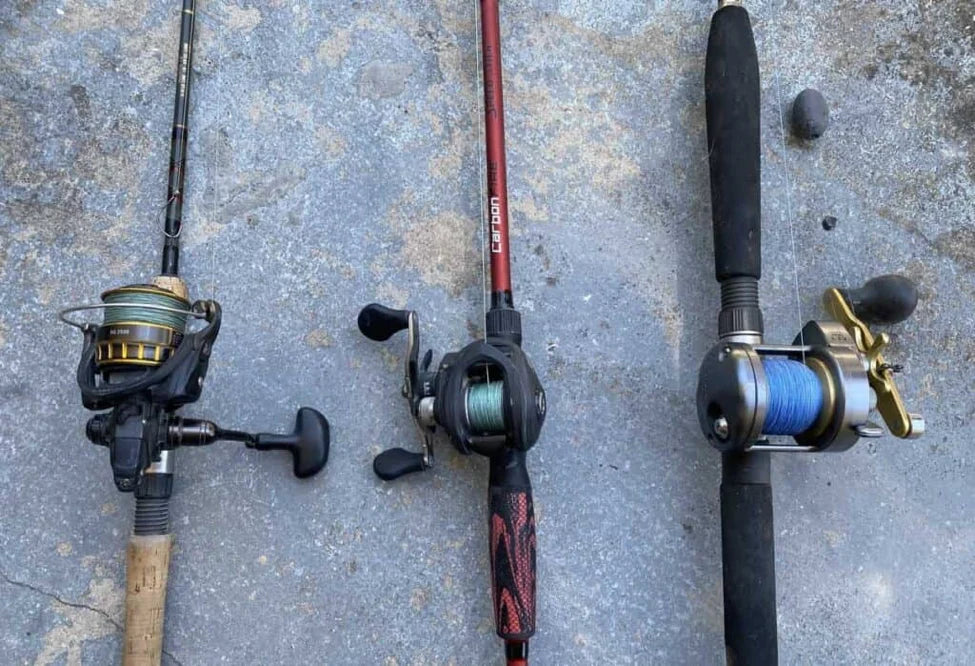
Spinning, Baitcasting, Conventional - Choosing the Right Reel for How You Fish
If you’ve spent any time around fishing gear, you already know there’s no shortage of opinions when it comes to reels. Walk into a shop or scroll long enough and you’ll see everything from compact spinning setups to heavy-duty offshore rigs, all claiming to be the “right” choice.
The reality is a lot simpler.
Each reel style exists because it solves a specific problem on the water. Once you understand what each one is built to do, picking the right setup gets a whole lot easier.
Spinning Reels - The Everyday Workhorse
Spinning reels are where most people start, and for good reason. They’re easy to use, forgiving, and handle a wide range of techniques without much fuss.
Think of something like a Shimano Stradic paired with a medium rod. It’ll handle everything from finesse bass fishing to light inshore work without feeling out of place.
The big advantage here is versatility. Lighter lures, finesse presentations, windy conditions, it all plays nicely with a spinning setup. Line comes off the spool freely, which makes casting light baits a lot easier than with other reel styles.
Where they start to fall short is when you step into heavier applications. Big baits, heavy cover, or high drag situations can push a spinning reel past where it’s most comfortable.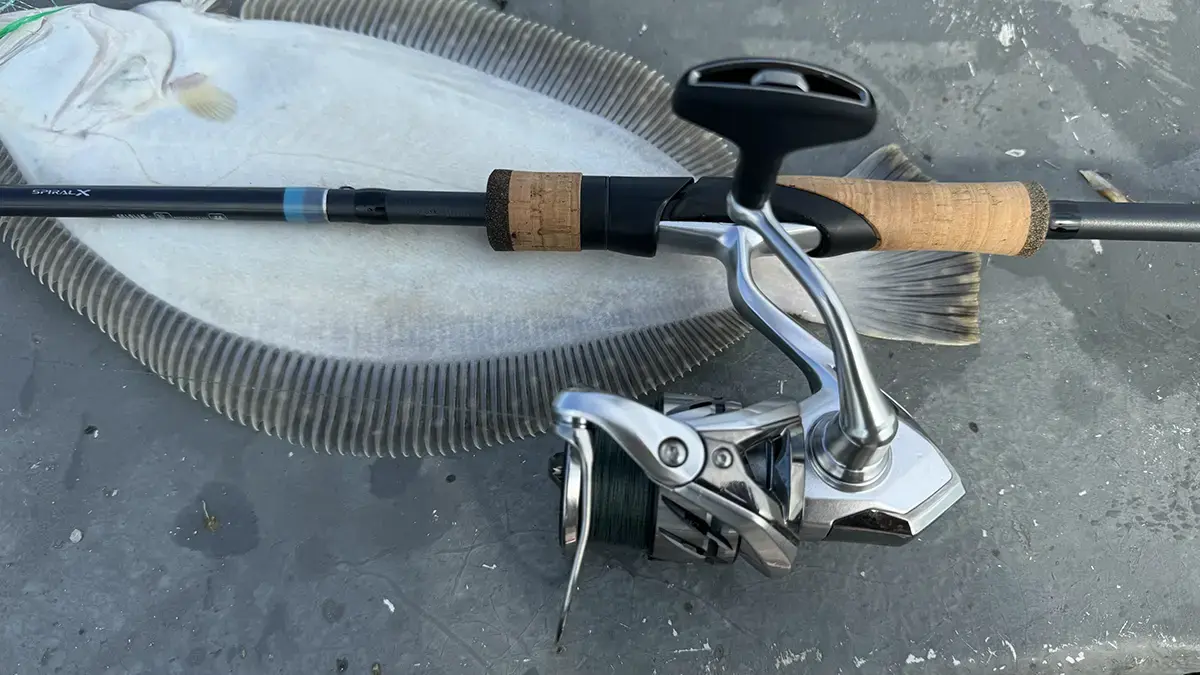
Baitcasting Reels - Precision and Control
Baitcasters are where things get more dialed in.
A reel like the Shimano Curado or similar setups are built for control. You’re managing spool speed with your thumb, adjusting braking systems, and really fine-tuning how your bait hits the water.
That control matters.
If you’re pitching jigs into cover, working heavier lures, or trying to land casts exactly where you want them, a baitcaster gives you an advantage. They also tend to handle heavier line and higher drag loads better, which makes them a go-to for bass anglers fishing around structure.
The tradeoff is the learning curve. Backlashes are part of the deal until you get comfortable, and lighter lures can be more challenging to cast compared to a spinning reel.
But once it clicks, it’s hard to go back.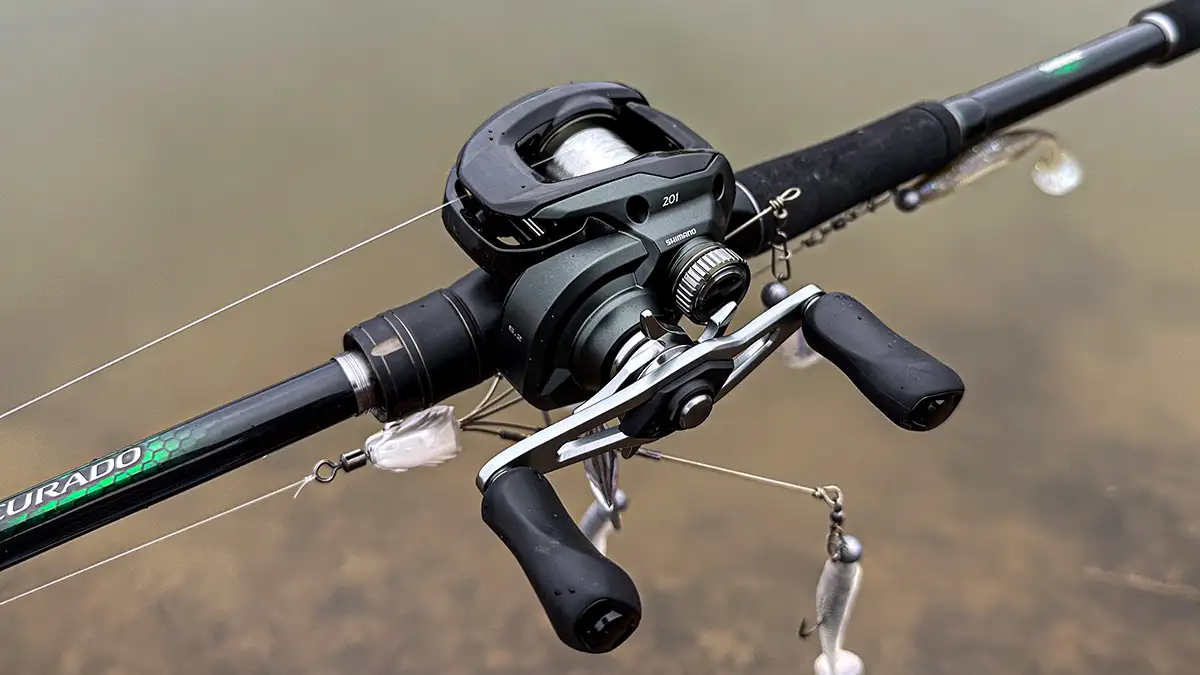
Conventional Reels - Built for Power
Conventional reels are a different animal entirely.
These are the setups you’ll see in offshore and heavy-duty applications, where strength and line capacity matter more than finesse. Think trolling, bottom fishing, or targeting larger species.
Something like a Penn International is designed to handle serious load. Large spools, strong drag systems, and the ability to manage heavy line all come into play here.
They’re not built for casting light lures or finesse work. Instead, they excel when you’re dropping bait deep, trolling for miles, or fighting fish that can actually test your gear.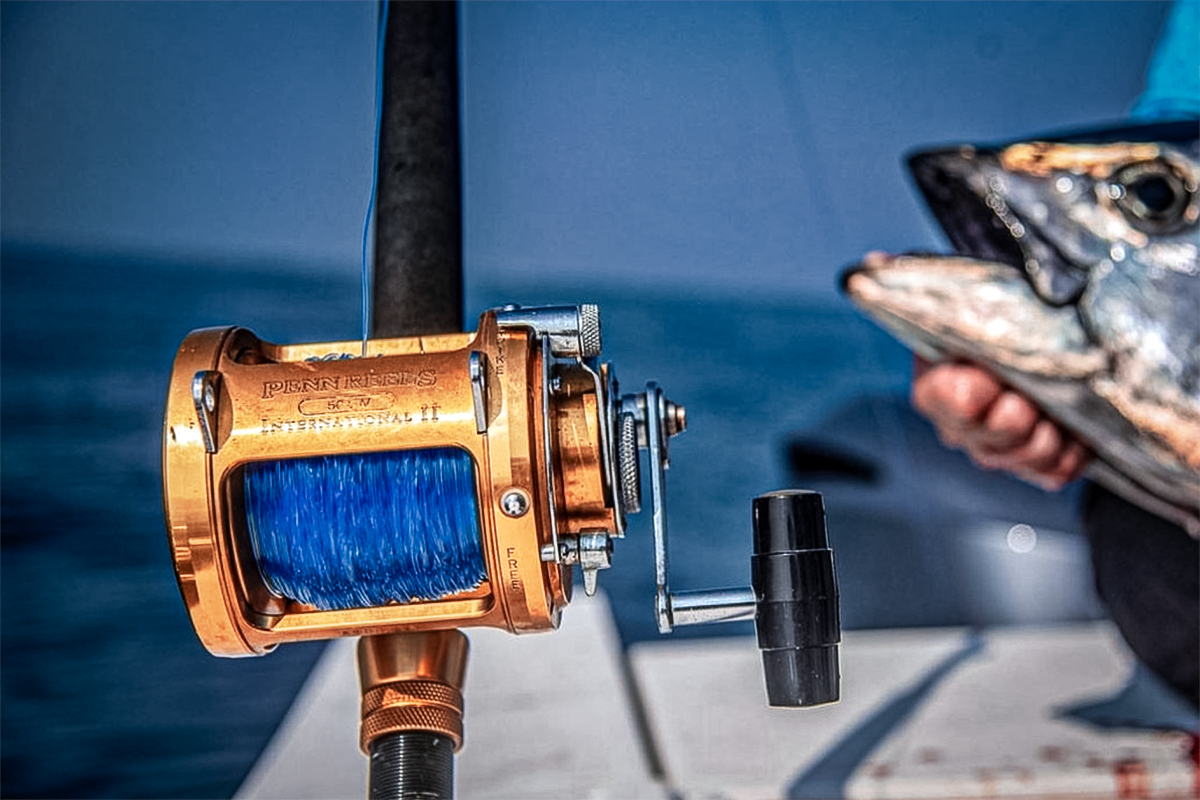
So Which One Should You Use?
It really comes down to how you fish.
If you’re looking for one setup that can do a little bit of everything, a spinning reel is tough to beat. It’s simple, reliable, and works in most situations.
If you’re chasing more control, especially in freshwater applications like bass fishing, a baitcaster starts to make more sense. It rewards time spent learning it and gives you more precision once you’re comfortable.
And if you’re heading offshore or targeting larger species, a conventional reel is the tool for the job. That’s where power and durability take priority over everything else.
Final Thoughts
There’s no “best” reel, just the right tool for the job.
Spinning reels keep things simple and versatile. Baitcasters give you control and power where it counts. Conventional reels handle the heavy lifting when things get serious.
Figure out how you like to fish, match your gear to that, and everything else starts to fall into place.
Share:
Cold Water, Cold Mistakes: What Early Ice-Out Fishing Gets Wrong
The Rod Rig Wins the 2026 Outdoor Innovation Award for Best New Fishing Product